
Market dynamics reflect the ebb and move of monetary exchanges, exhibiting relationships between patrons and sellers. A market is a dynamic ecosystem the place belongings change hands through buying, selling and trading. An MT is a participant who accepts the prices offered by a market maker or other merchants to execute trades instantly. The presence of market makers is important for general market effectivity. They work to ensure a counterparty is almost all the time out there for traders wanting to buy or promote.
The discrepancy between the market value and the bid-ask worth constitutes the spread, signifying the profit captured by the market maker. The equilibrium is maintained through supply and demand, while shaping costs in real-time. It’s important for investors and merchants alike to understand this, because it varieties the idea for analyzing tendencies, making knowledgeable choices, and navigating the complexities of financial markets. They are continually quoting both buy (bid) and sell (ask) prices for a financial instrument. Their core perform is to ensure a counterparty is mostly out there for any commerce. This facilitates smoother and more efficient market operations, stopping stagnation.
As you have probably guessed, they’re the opposite of what a market maker is. When they quote the best price they’re keen to pay (bid) and the bottom worth they’re prepared to simply accept (ask), the distinction is called the bid-ask spread. This unfold is important as a end result of it affects the ease and price of trading—smaller spreads normally mean decrease prices and extra accessible buying and selling for investors.
This dynamic permits for transactions to happen rapidly for buyers and sellers, facilitated by the prices provided by market makers who provide liquidity. Understanding the roles of market makers and takers is fundamental to comprehending how financial markets function. Market makers guarantee liquidity and worth stability, while market takers enable instant execution of trades. This interaction is crucial for sustaining an efficient and stable trading environment. Market takers ensure that the monetary markets stay dynamic and liquid.
Their active participation permits the costs offered by market makers to be constantly tested and for market costs to be up to date in real-time. With Out market takers, there may not be enough members to transact on the prices supplied by market makers, which could result in a decrease in market liquidity and efficiency. Market makers, corresponding to financial establishments, are liquidity suppliers by constantly quoting shopping for and selling costs. Market making aims to facilitate smooth transactions and scale back bid-ask spreads. On the opposite hand, market takers, often individual merchants, seize existing market opportunities by executing trades at those prices. In monetary markets, the roles of market makers and market takers are basic to the buying and selling process.
Nonetheless, opinions on the effectiveness of these strategies can differ, with some viewing them as bordering on the paranormal quite than the practical. Market makers face steady risk exposure as a outcome of holding stock and sustaining two-sided quotes. They are susceptible to opposed price movements within the property they hold before they can full an offsetting trade. To manage these dangers, MMs employ subtle danger administration methods and hedging strategies. Market makers obtain higher rebates because they provide liquidity, which is important for a wholesome buying and selling setting.
On the contrary, market takers encounter escalated charges because of their actions impacting liquidity. The Taker fee is the transaction value paid by the market taker and is usually greater than the Maker payment. This charge structure helps the efficient functioning of markets and offers traders the opportunity to undertake totally different strategies relying on whether or not they act as a market maker or not. Market Makers are institutions or individuals that enhance the liquidity and efficiency of economic markets by bringing consumers and sellers together. Their main aim is to facilitate the straightforward execution of buy and promote transactions at any time by persistently offering bid and ask prices. Market Makers fill the gaps between supply and demand and contribute to cost stability by providing a continuous marketplace for https://www.xcritical.com/ traders eager to make transactions.
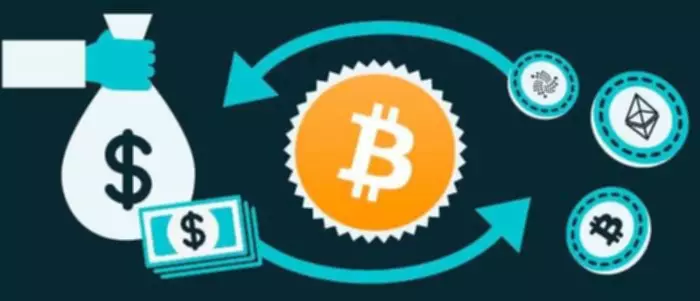
Impact On Liquidity

Many buying and selling platforms cost a what’s a taker payment for orders that eat liquidity. Moreover, takers must overcome the bid-ask unfold and can also incur costs from slippage. Cryptocurrency exchanges use a Maker/Taker model to stability liquidity and encourage market makers to add liquidity, making Limit orders more helpful for trading.
If you’ve ventured into investments, whether or not in cryptocurrencies or the stock market, you’re likely acquainted with the maker vs. taker dichotomy. These ideas bear significance for these concerned in buying and selling, making it important for every investor to understand these foundational principles. For detailed info Proof of work on the fee rates applied to cryptocurrency buy-sell transactions on our EgeMoney platform, you’ll have the ability to visit our Trading Fees page.
- To wrap up, understanding the difference between market makers and takers is tremendous necessary in finance, especially in crypto buying and selling.
- When a market taker places an order, they accept the price quoted by the market maker, thereby executing the trade.
- Market takers are those in financial markets who act on present costs somewhat than setting them.
- In financial markets, the roles of market makers and market takers are fundamental to the buying and selling process.
- To manage these risks, MMs make use of refined danger management techniques and hedging methods.
The interaction between market makers and takers is crucial for the correct functioning of financial markets. This relationship ensures that markets remain liquid and environment friendly, permitting merchants to enter and exit positions with relative ease. The distinction between maker and taker fees is predicated on the impact of transactions made on cryptocurrency exchanges in the marketplace. “Makers” are those who provide liquidity to the market by inserting a model new order; that is, they set a worth at which they want to purchase or sell and anticipate someone else to accept this order.
Understanding The Long-term Roi Potential Of Real-world Real Property Representative Nfts
Their collective demand for getting or selling influences market developments and performs a task in value discovery. Without market takers, the liquidity offered by market makers would remain unused. Market takers are merchants or investors who withdraw liquidity from the market by inserting orders that get executed right away, like Market orders.
Makers Vs Takers
Market takers act shortly and swiftly, placing market orders to purchase or sell at one of the best obtainable prices. This proactive position distinguishes them from market makers, who play a more Market Makers vs Takers passive position by offering market liquidity by way of steady quoting. MTs typically pay transaction charges, generally recognized as taker charges, when consuming liquidity.
Individually, under the maker taker model, exchanges incessantly provide rebates or incentives to market makers as a end result of they supply liquidity. International financial markets contain a posh interaction of strategy and execution. Two distinct individuals, market makers and market takers, stand on the core of this exercise.